QST Eco Commitment

As the leading global supplier to the apparel industry, QST makes it our corporate responsibility to continually research and develop environmentally-smart products. We know that sustainability is no longer just a trend, but a long-term commitment. By offering recycled and low-impact products, we’re one step closer to achieving a closed-loop, no-waste system for the fashion industry.

Still, the challenge is much larger than our single organization, and that is why we are asking our customers to become partners in sustainability.


QST Eco sustinable raw materials


Recycled Polyester

Made from recycled materials, primarily plastic bottles, creating a reprieve for the planet by reducing energy, water and greenhouse gases.


BCI / Organic Cotton

Organic cotton requires 71% less water to produce than regular cotton. If just 10% of all cotton was grown organically, over 5 trillion gallons of water could be saved.

BCI certified pocketing lowers the impact of pesticide use on human and environmental health, while improving profitability for farmers.




QST Eco water technology


Low Water Finish

30X

more water efficient than the standard pocketing finish

Offers outstanding benefits of advanced width, shrinkage and pilling control

Waterless Finishing Program

138X

more water efficient than the standard pocketing finish

Reduce water consumption by 100% and reduce natural gas output by 80%


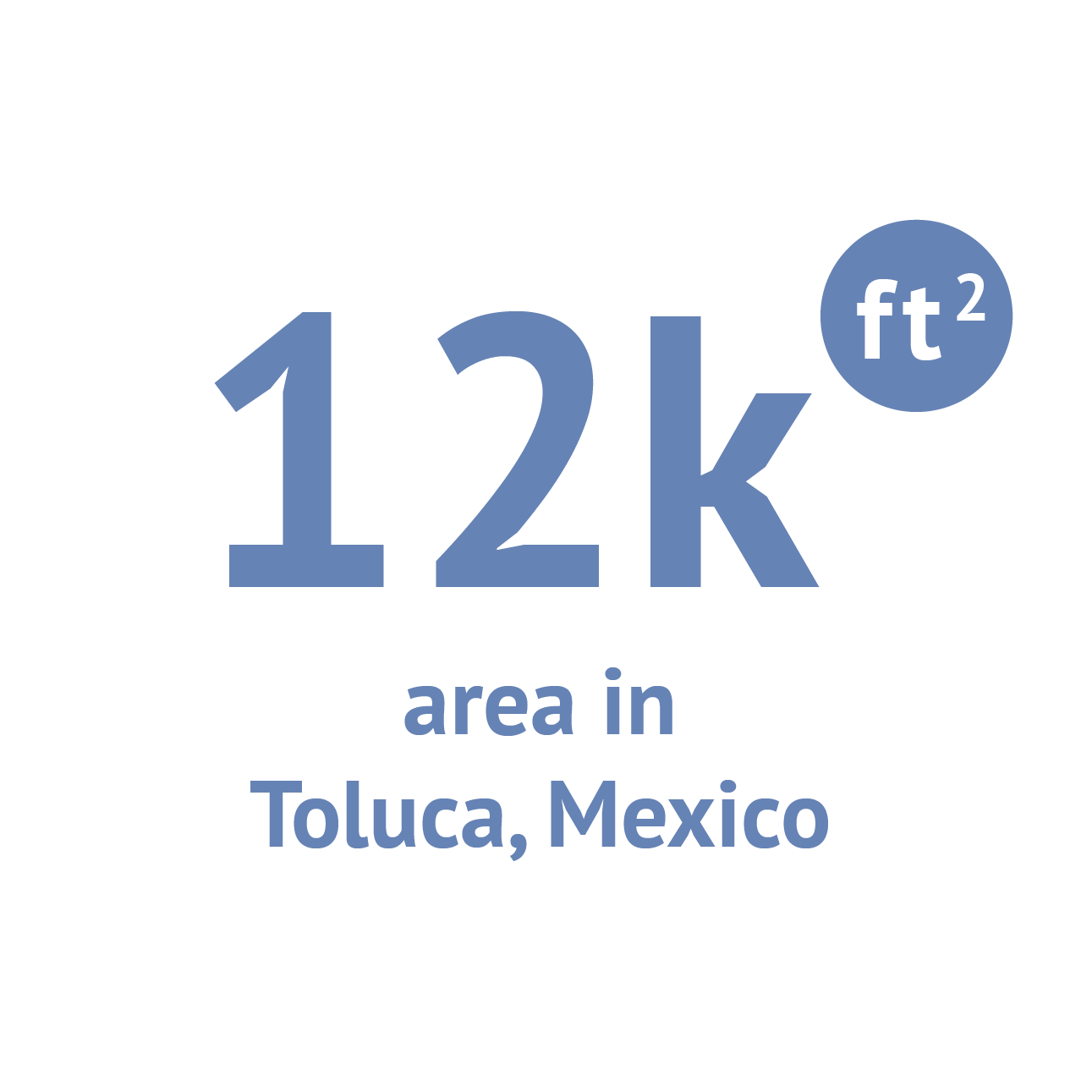
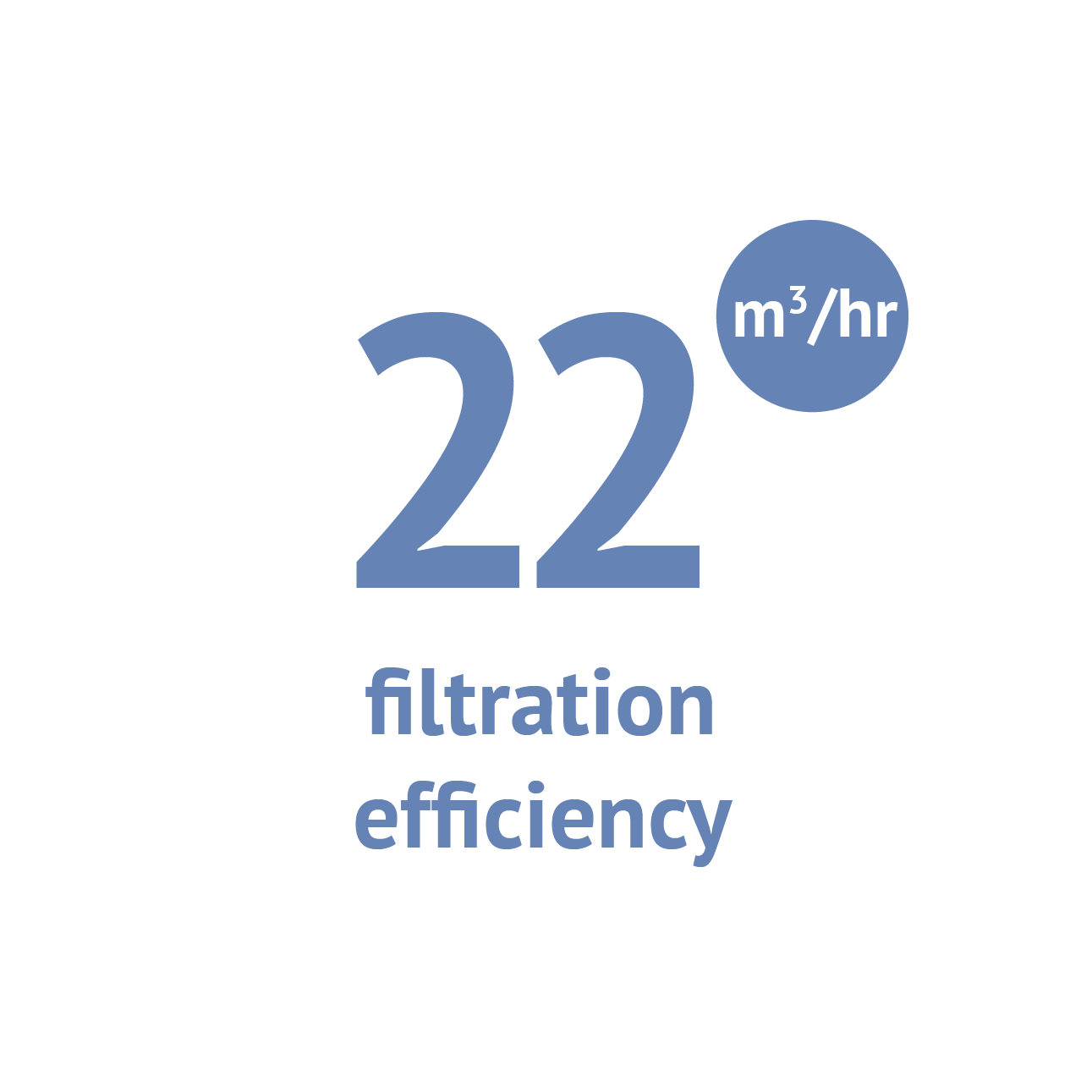
QST Advanced Water Reclamation & Recycling System

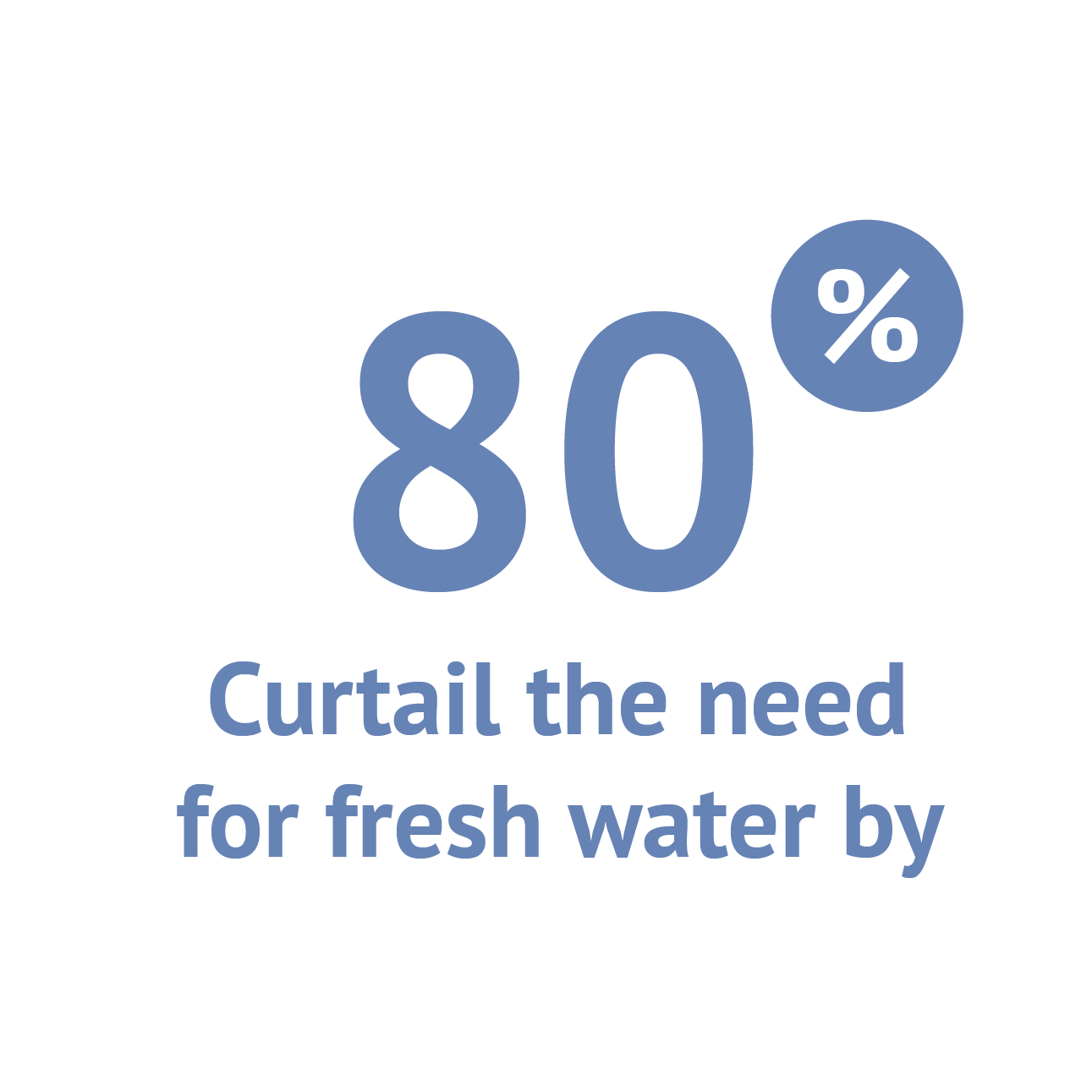
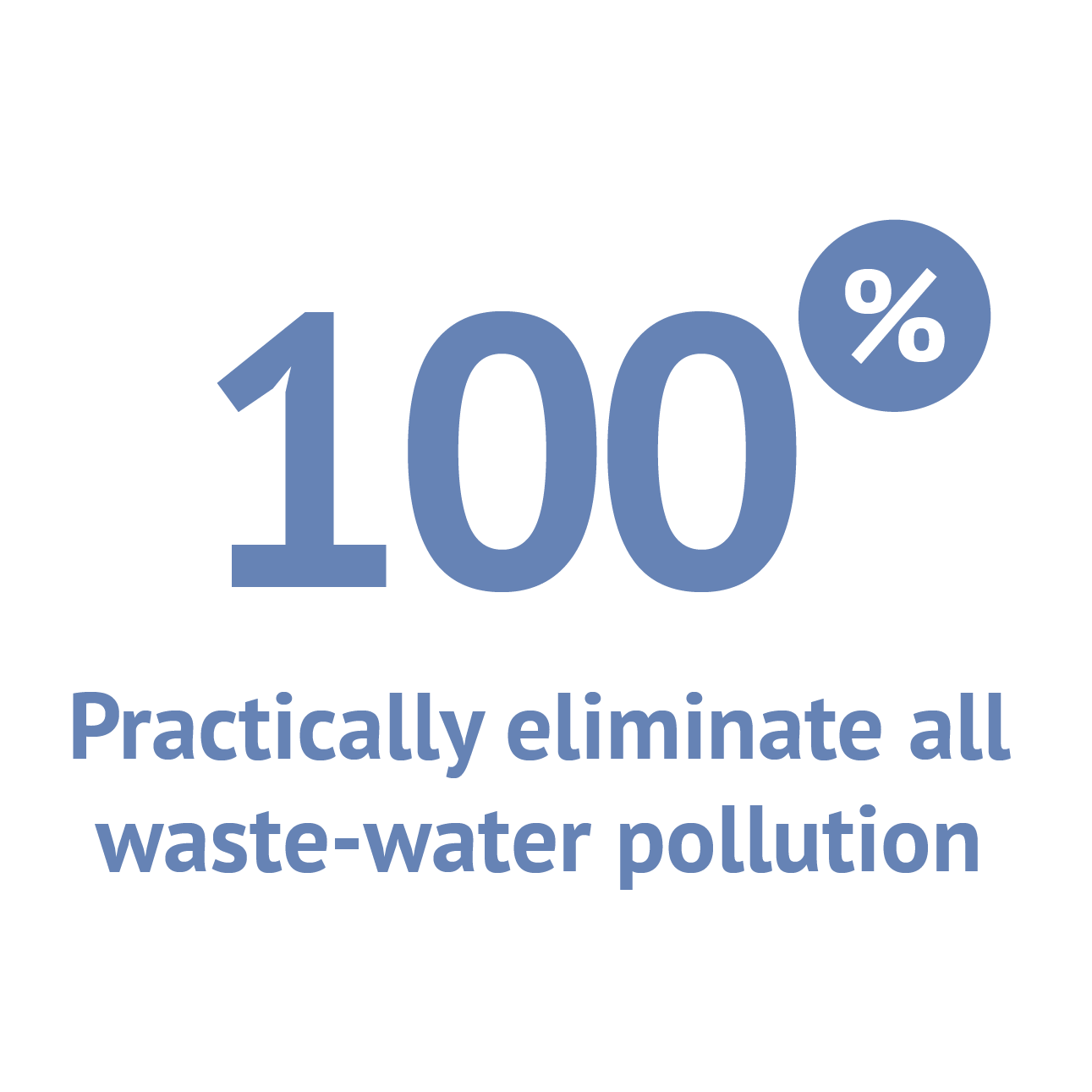
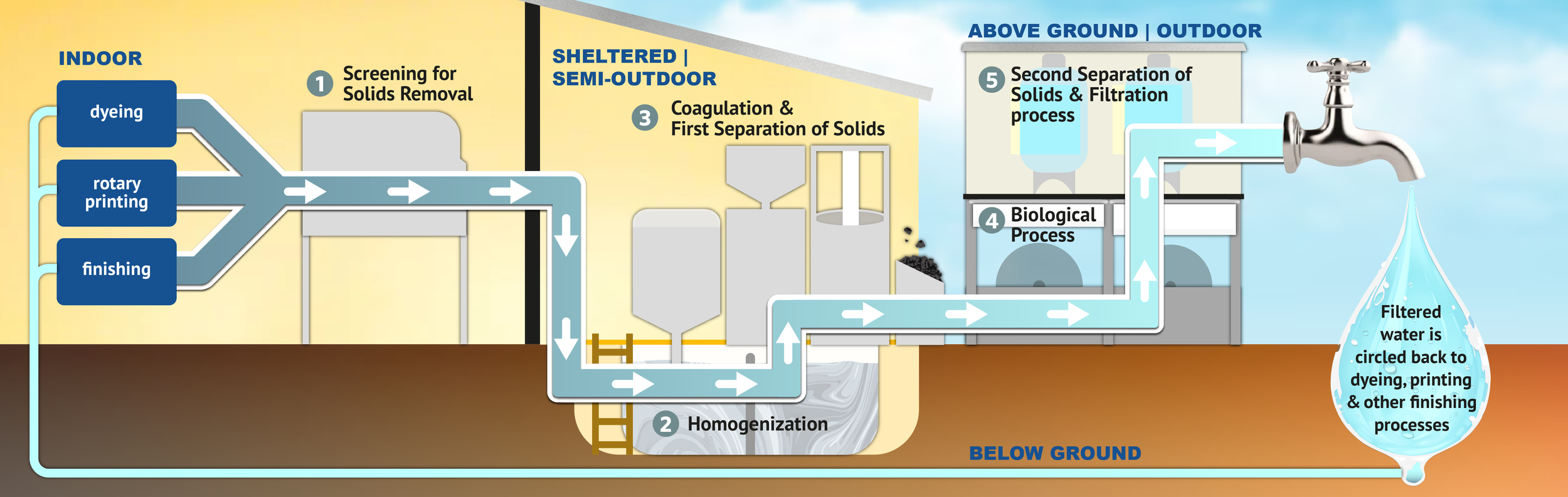
We’ve launched the QST Advanced Water Reclamation & Recycling System—cutting our freshwater use by up to 80% and virtually eliminating wastewater pollution from dyeing, printing, and finishing.


Here's how we’re making a difference:

Reduce

Cutting down fresh water usage by 80%.

Eliminate

Practically removing all wastewater pollution.

Sustain

Supporting our eco-friendly goals with innovative technology.

QST Advanced Water Reclamation & Recycling System


Sectioned into 5 steps:

  1. Screening for Solids Removal

  2. Homogenization

  3. Coagulation & First Separation of Solids

  4. Biological Process

  5. Second Separation of Solids & Filtration Process

Filtered water is circled back to dyeing, printing & other finishing processes.


This system is a major step in our commitment to environmental sustainability and cleaner manufacturing.


Interlining

Mesh

Fiberfill

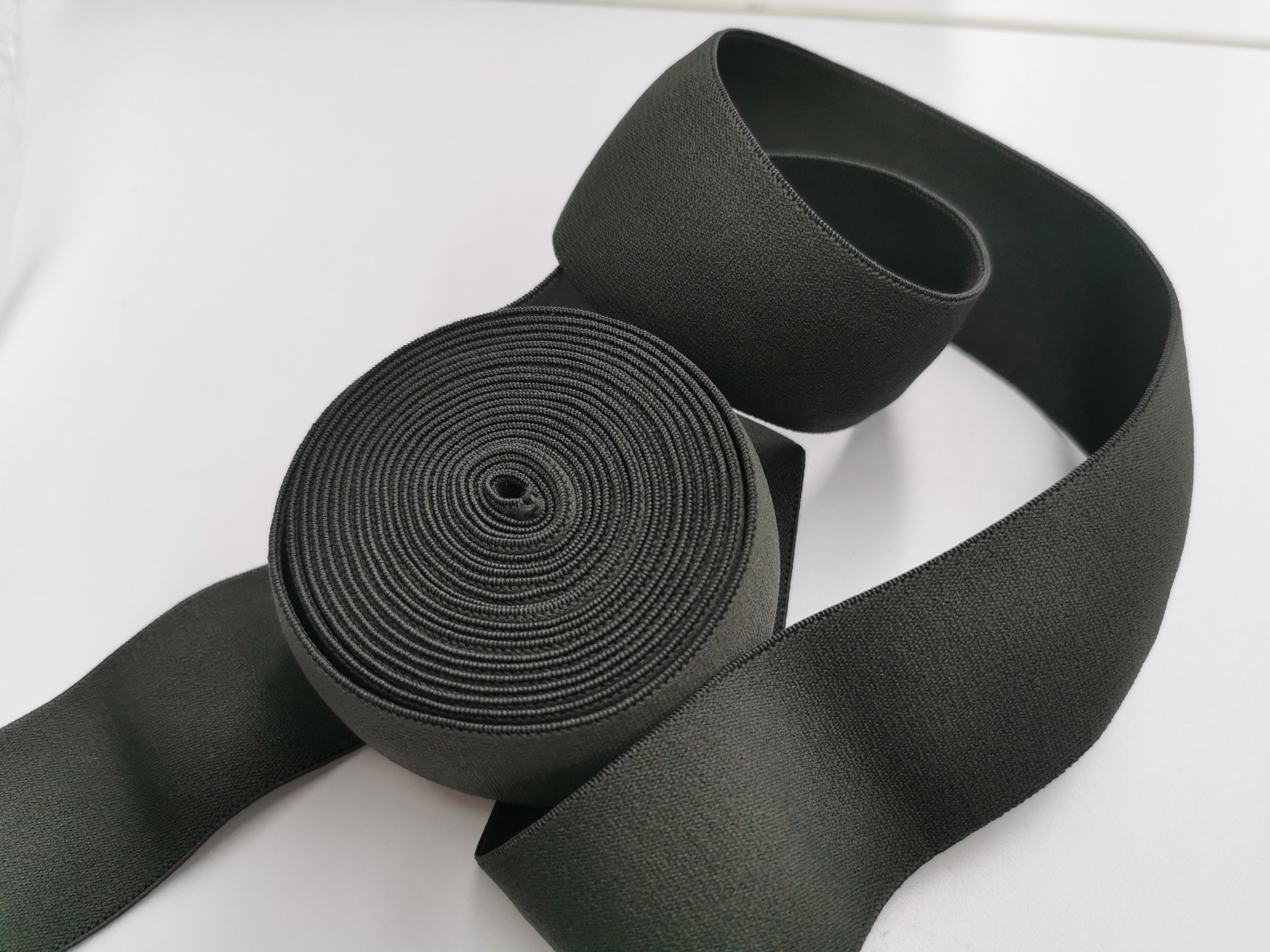
Elastics

Pocketing

Explore our ECO Range